Happy New Year and we hope you’re making the most of the good weather. I’m not sure about you but our garden has been very happy this year. I put it down to the greater amount of rain we’ve had, but also the winds, however annoying, keeping fungal disease at bay and good amounts of sunshine in between.
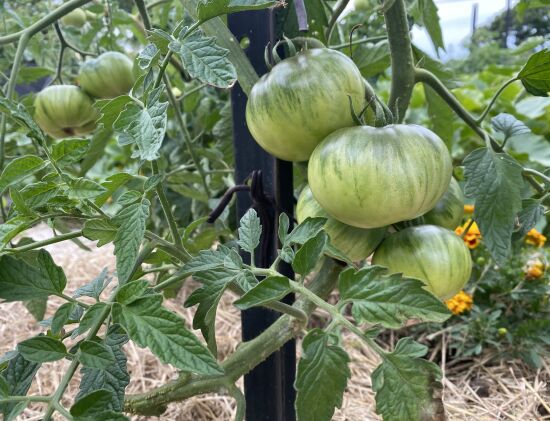
Just waiting on all the tomatoes to turn red,
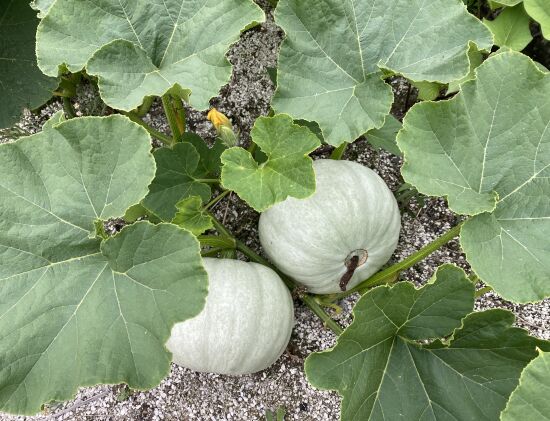
pumpkins are forming nicely,
sweetcorn creating its seedheads,
kumara trailing,
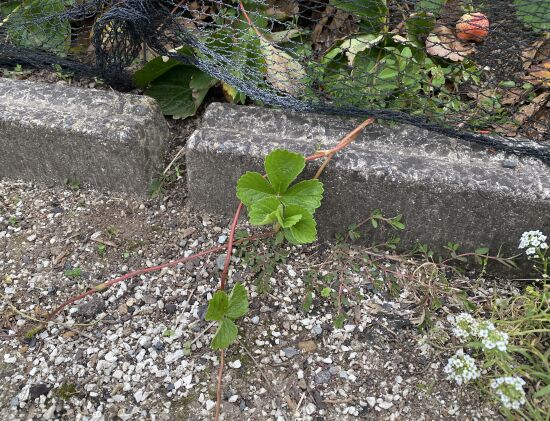
strawberries sending out shoots,
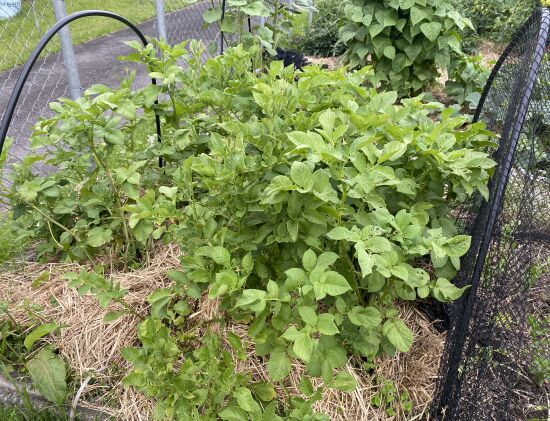
main season potatoes just finished flowering,
beans flowering, capsicums and eggplants growing. I’m making the most of the waiting game now, as once this all bursts, it’s almost a full-time job in the kitchen managing it all.
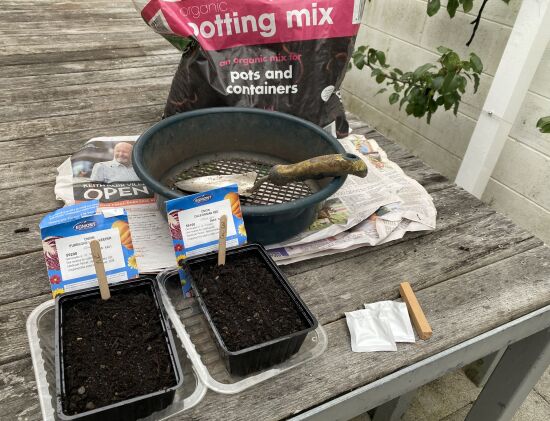
Even though we’ve just harvested last year’s onions, it’s now time to sow the seeds of the new year’s onions. You may think growing onions is a waste of time, given how little they cost to buy, but seriously, if you have the space, homegrown onions are next level in taste.
Couple of tips: wash out the punnets in water with a dash of white vinegar to sterilise them; sieve potting mix to make seed-raising mix; label seeds with date of sowing.
Later in the month we’ll sow our leek seeds.
Remember to remove the side shoots on your sweetcorn. They put out two shoots on either side of the main stem and the plant will grow more strongly if you take those side shoots off.
We’re also making comfrey liquid to splash over our fruiting plants – just fill a bucket with the leaves, cover with water and leave for around two weeks before diluting to the colour of weak tea and applying to the leaves and all. All liquid feeds help plants through the hot summer days.
We have worm tea from our Hungry Bin worm farm which needs serious dilution. Apply as often as it’s available round the base of plants.
And liquid seaweed (homemade or bought) is also a great addition at this time of year. It’s also helpful to apply to the leaves of zucchini and pumpkin plants to prevent powdery mildew or keep it at bay if you already have it. Just starting at our place.
Other methods of preventing or holding powdery mildew are 1 teaspoon of baking powder to 1 litre of water or 1 part milk to 10 parts water.
Finally, it’s a good idea to cover your lettuce bed with shadecloth. You’ll be amazed how much better lettuces do without that sun beating down on them.
And the birds are onto the grapes and tomatoes colouring up, so time to get your bird nets out.
OK, peak season is just round the corner. Strap in!
From Jan and Rob
12 Responses
Hello there.
Love your column.
Just a query. Here in Gisborne we struggle to to get tomatoes to grow what with psyllid etc.
But this year they grew really well and the cherry tomatoes are cropping nicely but the others are absolutely covered in stink bugs! 20 on one tomato?! Even though the plants look pretty healthy.
Stink bugs are always a problem for me but this year. Wow!
Any ideas please?
I don’t know of any natural predators. Except me!
Thanks so much
Wendy
Hi Wendy Nature keeps us on our toes! This from Rob:
The damage done by Green Shield Beetle only affects the fruit and not the whole plant, so if you remove the affected fruit and the beetles, the plant will continue to produce good tomatoes. The best way to control Green Shield Beetle is squishing them and leaving them near the tomato plants as the smell they emit repels other beetles. Other ways include planting cleome which attracts the Green Shield Beetle. When they’re all clustered on the cleome plant you can deal to them. Birds will also eat bugs and insects so install a bird bath nearby to attract the birds. Excess foliage in the garden and adjacent areas provides a perfect breeding habitat for Green Shield Beetle so keep your garden plot well-weeded. All the best 😊
Thanks Jan and Rob, always a treat to read your blog, its so helpful and well put together – as are past posts, videos etc. Wishing you the very best for 2026. x
Hello, just a query what is the organic potting mix shown on your page? Am struggling to find something that isn’t so full of bark. I would love a fool proof recipe for making a homemade version but also what would you recommend as a good organic commerial one please.
Hi Krystyna The potting mix we use is certified organic and is Revital Growwell Potting Mix… https://revital.co.nz/growwell-organic-potting-mix/ Doesn’t look like there’s a stockist in Gisborne, but you could ask your local garden centre to get it in. Otherwise you can make your own by using well-rotted-down compost from a hot compost pile mixed with pumice or sand and some coconut fibre. Ideally use compost from a hot compost pile as the problem with homemade potting and seed-raising mix is the amount of weeds you potentially get. A commercial blend will have been subjected to a high temperature which kills weed seeds. Good luck 😊
Hi. Thanks for the advice, always good reading.
Re: Green shield beetles, a quick/strong-ish rap on the tomato plant usually dislodges the bugs, then squish them as advised. Also, if time , check the under-side of leaves for clusters of eggs and remove them to help prevent infestation
Thanks for your help re the stink bugs. I do all of the above but they seem to love our garden unfortunately!
Another trick with them is to spray water on the leaves and they all come out to dry in the sun.
Cheers Wendy
Hi OEG, my yellow zucchini has gone uberprolific although the fruit doesn’t taste fab and is a bit grainy. Have been feeding with liquid Thrive, and there’s been plenty rain. Does it perhaps need more/different food? Thinking I might be better with green zucchini next year. Cheers, Tam.
Hi Cameroni Yes it’s our experience too that the yellow zucchini is a bit tasteless. Our preference is the green Partenon Hybrid which is self-fertile, reliable and tasty. All the best 😊







12 Responses
Hello there.
Love your column.
Just a query. Here in Gisborne we struggle to to get tomatoes to grow what with psyllid etc.
But this year they grew really well and the cherry tomatoes are cropping nicely but the others are absolutely covered in stink bugs! 20 on one tomato?! Even though the plants look pretty healthy.
Stink bugs are always a problem for me but this year. Wow!
Any ideas please?
I don’t know of any natural predators. Except me!
Thanks so much
Wendy
Hi Wendy Nature keeps us on our toes! This from Rob:
The damage done by Green Shield Beetle only affects the fruit and not the whole plant, so if you remove the affected fruit and the beetles, the plant will continue to produce good tomatoes. The best way to control Green Shield Beetle is squishing them and leaving them near the tomato plants as the smell they emit repels other beetles. Other ways include planting cleome which attracts the Green Shield Beetle. When they’re all clustered on the cleome plant you can deal to them. Birds will also eat bugs and insects so install a bird bath nearby to attract the birds. Excess foliage in the garden and adjacent areas provides a perfect breeding habitat for Green Shield Beetle so keep your garden plot well-weeded. All the best 😊
Thanks Jan and Rob, always a treat to read your blog, its so helpful and well put together – as are past posts, videos etc. Wishing you the very best for 2026. x
Thanks Kale 😊
Errr… Kate!
Hello, just a query what is the organic potting mix shown on your page? Am struggling to find something that isn’t so full of bark. I would love a fool proof recipe for making a homemade version but also what would you recommend as a good organic commerial one please.
Hi Krystyna The potting mix we use is certified organic and is Revital Growwell Potting Mix… https://revital.co.nz/growwell-organic-potting-mix/ Doesn’t look like there’s a stockist in Gisborne, but you could ask your local garden centre to get it in. Otherwise you can make your own by using well-rotted-down compost from a hot compost pile mixed with pumice or sand and some coconut fibre. Ideally use compost from a hot compost pile as the problem with homemade potting and seed-raising mix is the amount of weeds you potentially get. A commercial blend will have been subjected to a high temperature which kills weed seeds. Good luck 😊
Hi. Thanks for the advice, always good reading.
Re: Green shield beetles, a quick/strong-ish rap on the tomato plant usually dislodges the bugs, then squish them as advised. Also, if time , check the under-side of leaves for clusters of eggs and remove them to help prevent infestation
👍
Thanks for your help re the stink bugs. I do all of the above but they seem to love our garden unfortunately!
Another trick with them is to spray water on the leaves and they all come out to dry in the sun.
Cheers Wendy
Hi OEG, my yellow zucchini has gone uberprolific although the fruit doesn’t taste fab and is a bit grainy. Have been feeding with liquid Thrive, and there’s been plenty rain. Does it perhaps need more/different food? Thinking I might be better with green zucchini next year. Cheers, Tam.
Hi Cameroni Yes it’s our experience too that the yellow zucchini is a bit tasteless. Our preference is the green Partenon Hybrid which is self-fertile, reliable and tasty. All the best 😊