So, time to get the tomatoes in. Key is preparing your garden bed well. Tomatoes do best in a deep soil, rich in minerals and organic matter. Firstly, clear your beds. In anticipation, I’d transplanted a few small brassicas into a brassica bed – they look to be doing just fine as it was during the big rain we just had. There were four potentially beautiful red cabbages in one bed which were too big to transplant and which are now on the biomass pile, but I’m always good with this, as they get made into compost and go back into the garden to produce more beautiful vegetables.
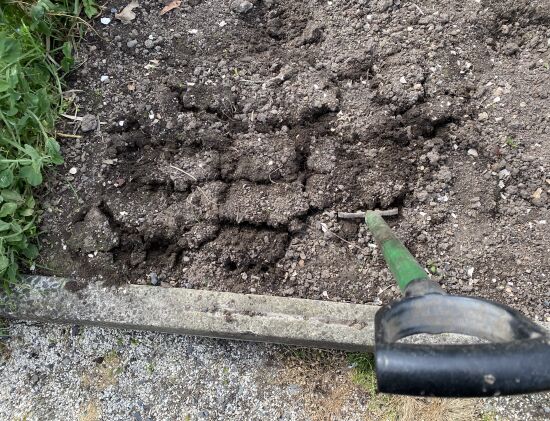
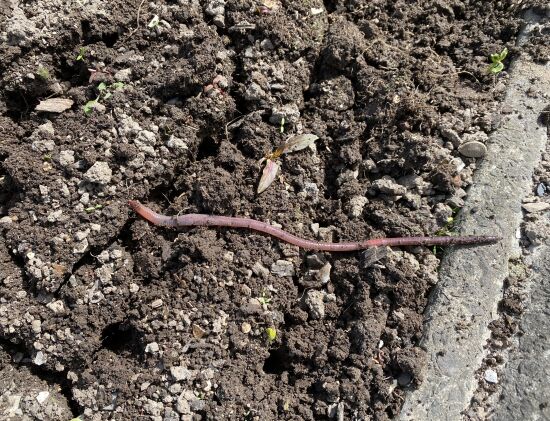
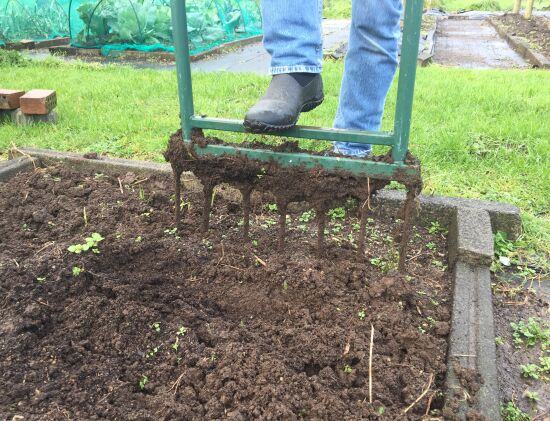
Next is a nice gentle fork to lift the soil but not turn it. This aerates the soil and sometimes uncovers the most amazing worms. This one was put back in and tucked up. A broadfork is the tool that is still used for this task but was more widely used in times gone by.
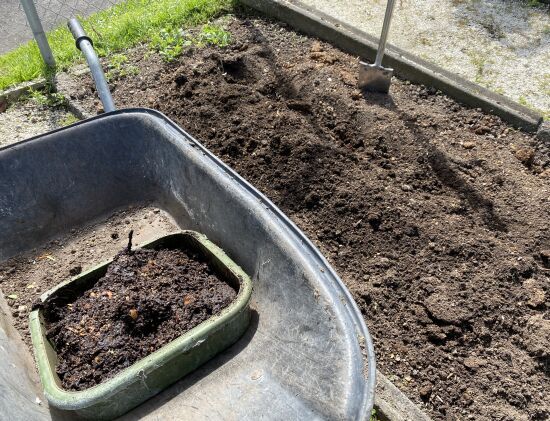
I have vermicast out of our Hungry Bin, so I’m trenching it into just one of the beds as it is lower in level.
Then on goes a layer of well-composted chicken manure. Sheep pellets can be used instead.
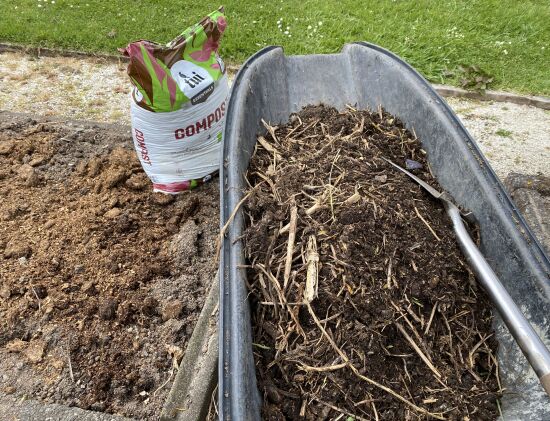
Then I put on our latest batch of homemade hot compost. It wasn’t a big pile, so I’m adding a commercial blend in too.
Then with a back and forward or wig-wag action with the fork, I mix it all in together.
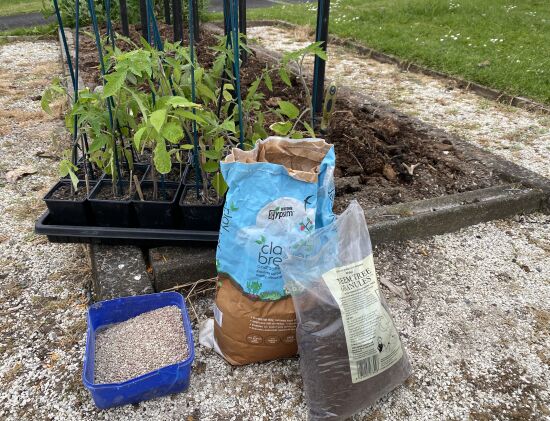
Next application is some elemental sulphur, as my soil, for some reason, does tend towards the alkaline – no good for fungus-prone tomatoes. You’ll also need gypsum and Neem Tree granules at the ready. In go the stakes and it’s time to plant.
We add gypsum for calcium and Neem Tree granules to each planting hole. Calcium prevents blossom end rot and neem prevents psyllids.
Pop your plant in, as deeply as you can, as the stem underground will make more roots and strengthen the plant. I have our seedlings staked as the wind was so ferocious this year when they were hardening off outside, I feared the stems might snap. These little stakes will come out as soon as I see the plants taking off. And finally, a handful of a good multi-mineral fertiliser like our Morganics around each plant and a good water.
Other jobs for now are getting the codling moth traps in your fruit trees. I put them in our apple and plum trees. It helps with the guava moth in the feijoas too. Ingredients are 5 cups warm water, 1 cup cider vinegar, ½ cup molasses, few drops of ammonia, few drops of dishwashing liquid. Mix with your hands is best. Holes cut in each side of the milk bottle are where the moths fly in.
I’m sowing sweetcorn and sunflower seeds ready for planting in a few weeks’ time. (I will press them down into the potting mix).
And no doubt you’ll have or have had weeds in abundance. Rob dropped in with his flame thrower and did a first go on our paths. Be incredibly careful with this method however as it dries out at your place heading into summer. Here’s some more info on weeding.
We’ll be back in touch in the next week or so with the planting of our cucurbits and kumara and main season potatoes.
All the best for a great start to summer!
From Jan and Rob.
6 Responses
Looks good. I’m putting in a wicking bed and waiting for the builders to come, so I’ve potted up my tomatoes 🍅 and staked them in the pots as they are getting tall and first buds coming out






6 Responses
Looks good. I’m putting in a wicking bed and waiting for the builders to come, so I’ve potted up my tomatoes 🍅 and staked them in the pots as they are getting tall and first buds coming out
Nice Katrina. Sounds a great idea 😊
Where can I buy a flame thrower like Rob is using for our gravel paths?
Rob says Hunkin Garden Products https://www.hunkin.co.nz/exterminators.html 😊
thanks for imformation
😊